

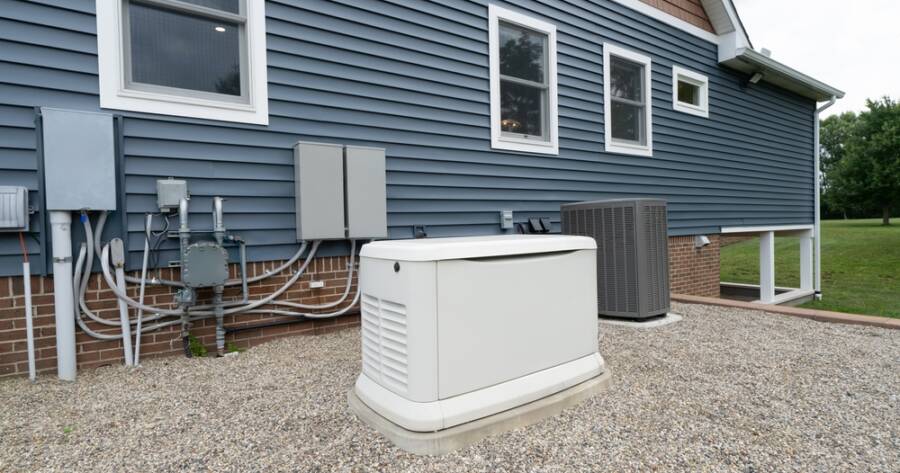
Home generators offer crucial benefits, ensuring continuous power during outages and minimizing disruptions. From maintaining vital systems to enhancing property value, home devices provide financial and lifestyle advantages by safeguarding against damage and inconvenience. Understanding selection criteria and operational types can help homeowners secure reliable and efficient power solutions tailored to their specific needs.
The Benefits of Owning a Home Generator
Owning a home generator can provide critical advantages during power outages, ensuring a continuous power supply to essential systems. Home backup generators not only keep security systems and medical equipment operational but also maintain daily comforts like heating, cooling, and internet connectivity without interruption. This seamless service is a major benefit for households reliant on steady electricity for health and safety.
Ensuring Safety and Comfort
During extended outages, a home generator can prevent significant financial losses by keeping refrigerators running to avoid food spoilage and ensuring sump pumps work to prevent basement flooding. Additionally, these generators help maintain normal household routines, keeping HVAC systems and kitchen appliances functional despite power disruptions. This reliability is crucial in regions prone to severe weather or grid issues, offering a steadfast safeguard for the home.
Economic and Lifestyle Benefits
Installing a home generator can be a financially sound decision, given the potential savings from avoiding property damage and food spoilage during outages. Moreover, this investment can enhance property value by 3-5%, making it more appealing to future buyers who prioritize reliable power access during emergencies. Understanding the financial implications, both in direct savings and increased home value, underscores the generator’s appeal as a wise investment.
Seamless and Convenient Operation
Whole-house generators operate automatically and independently, which eliminates the stress of manual setup and provides immediate power transition during outages. This feature distinguishes them from portable models, offering a ‘set it and forget it‘ level of convenience and reliability. Many modern generators also boast low maintenance demands, requiring just annual servicing to remain ready at all times.
Choosing the Right Type
While whole-house generators provide a comprehensive power solution, portable generators are a flexible, lower-cost alternative that serves multiple needs. However, portable models are generally noisier and require frequent refueling via gasoline storage. Safety remains a top priority; newer portable models come with built-in carbon monoxide detectors and automatic shutoffs to prevent CO poisoning.
Analyzing Your Needs
Before deciding on a generator, it’s essential to evaluate the frequency of power outages in your area, the critical systems needed during an outage, and your budget constraints. Battery backup systems, uninterruptible power supplies, and portable generators might better serve households with specific needs or budget limitations than a full home generator. Careful assessment and understanding of local climate challenges ensure that the chosen power solution meets individual requirements effectively.
Learn More About Home Generators
Investigating the advantages of owning a home generator is crucial for any homeowner seeking persistent power security. Understanding the potential to increase property value, avoid costly disruptions, and ensure safety during unexpected power failures cements the need for a generator in homes prone to outages.
Learning about the various options, costs involved, and installation specifics can guide smarter purchases, ensuring that a seamless and worry-free power solution is in place. As climates shift and grid stability fluctuates, a home generator becomes not just an asset but a necessity for maintaining safety and comfort.